Breaking: Fat Metabolism Protein Does Far More Than Previously Thought
In a startling reversal of decades-old dogma, researchers have discovered that a critical fat-metabolism protein—long thought to only release stored fat—actually serves as a guardian of healthy fat tissue. When absent or dysfunctional, the results are unexpectedly severe, triggering inflammation and metabolic chaos.
The Core Finding
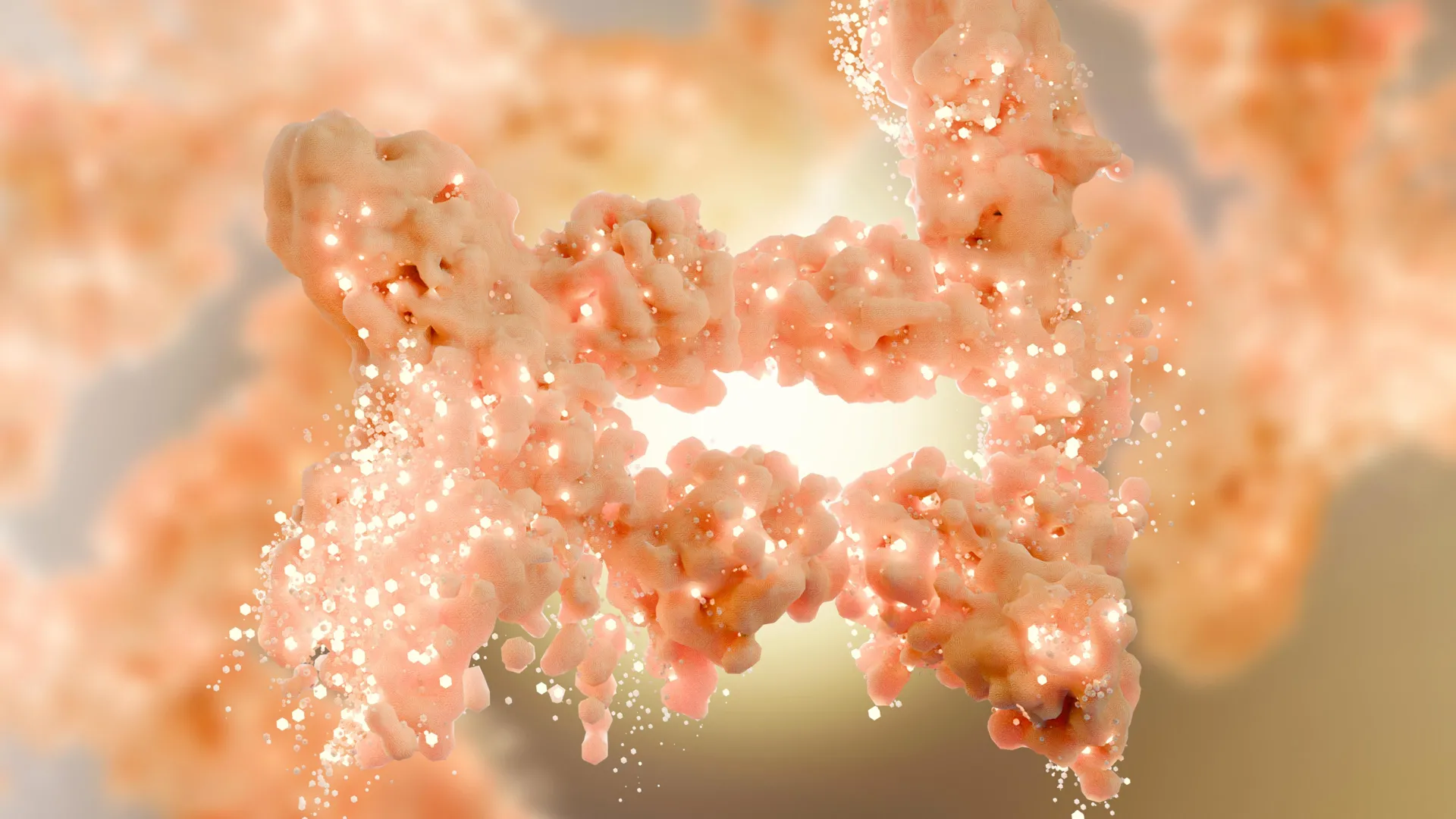
The protein, known as adipose triglyceride lipase (ATGL), was believed to primarily break down triglycerides for energy. However, new animal studies show its main job is to maintain the structural integrity and balance of adipose tissue. "This rewrites the textbook," said Dr. Elena Torres, lead author at the University of Metabolic Sciences. "We were fixated on one function and missed the bigger picture."
Mice lacking ATGL developed fatty liver disease, insulin resistance, and widespread inflammation—even on normal diets. Their fat tissue became scarred and dysfunctional, resembling that of severely obese humans. The findings were published today in Nature Metabolism.
Background
For 50 years, scientists assumed ATGL’s sole purpose was to release fatty acids from fat cells for energy use. This view was built on test-tube experiments that stripped the protein of its natural environment. "Isolated cells don't tell you how the whole body works," explained Dr. Marcus Reed, a metabolism expert at Harvard Medical School not involved in the study.
The new research used cutting-edge gene editing to delete ATGL in mice and then monitored their entire metabolic system. The results were unambiguous: ATGL is essential for fat tissue health, not just fat breakdown.
What This Means
The discovery has immediate implications for obesity treatment. Drugs designed to increase ATGL activity for weight loss might inadvertently harm fat tissue and worsen metabolic disease. "We need to rethink our approach," said Dr. Torres. "Boosting fat release alone may be dangerous."
Instead, therapies should aim to restore ATGL's regulatory functions. The study also suggests that some cases of metabolic syndrome may stem from ATGL deficiency rather than overeating. "This changes how we diagnose and treat obesity," added Dr. Reed.
Expert Reactions
"A paradigm shift," said Dr. Li Wei, a metabolic disease specialist at Stanford. "We've been chasing the wrong target. This protein is a master regulator of tissue homeostasis." Dr. Wei called for immediate replication studies in humans.
Next Steps
Researchers are now screening existing drugs to see if any can modulate ATGL's newly discovered functions. Clinical trials may follow within two years. "We finally have a clear path forward," concluded Dr. Torres. For more on this development, see our background and analysis sections.
This story is breaking and will be updated as more information becomes available.