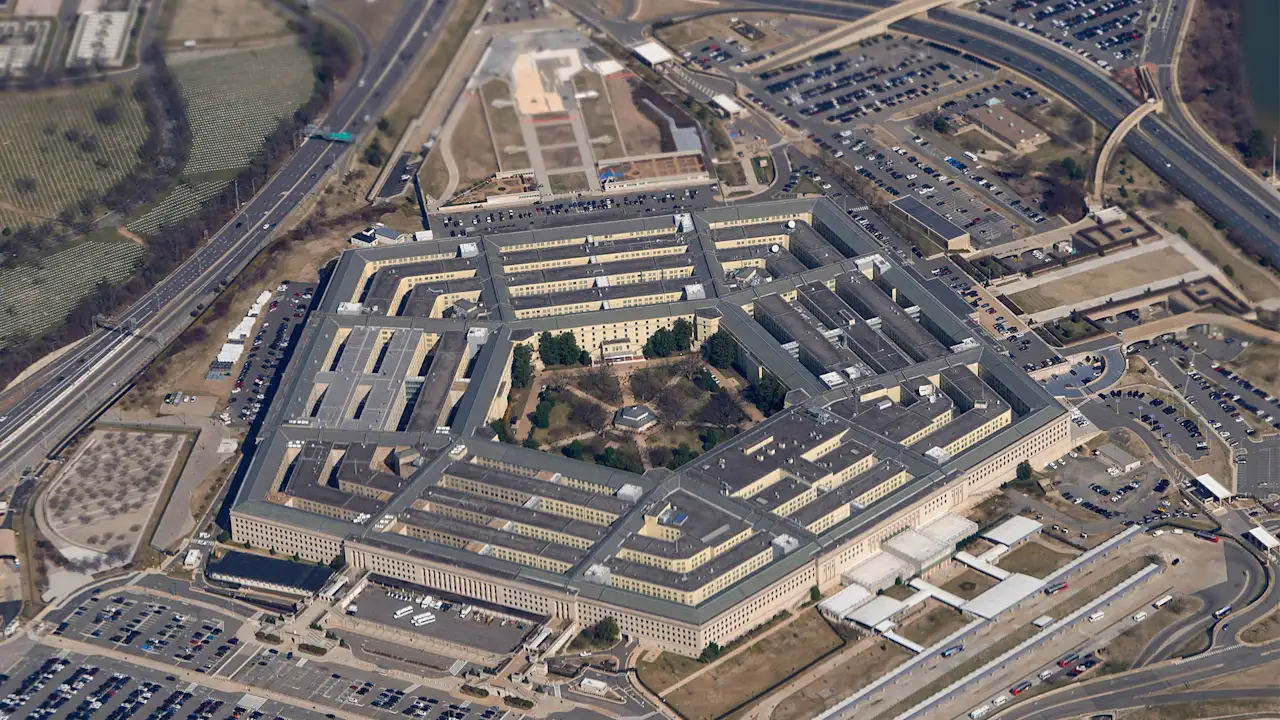
The Pentagon on Friday announced deals with seven major technology companies to integrate artificial intelligence into its classified computer networks, enabling the military to leverage AI-powered tools for combat operations. The partnerships include Google, Microsoft, Amazon Web Services, Nvidia, OpenAI, Reflection, and SpaceX, with the goal to 'augment warfighter decision-making in complex operational environments,' according to the Defense Department.
Notably absent from the list is AI firm Anthropic, following a public dispute and legal battle with the Trump administration over the ethics and safety of military AI use. The Defense Department has been accelerating AI adoption in recent years, citing benefits such as faster target identification, enhanced weapons maintenance, and streamlined supply chains, as detailed in a March Brennan Center for Justice report.
Background
AI integration in military operations has sparked concerns over privacy violations and the potential for machines to select targets without human oversight. One contracting company specified that its agreement requires human control in certain scenarios. These worries intensified during Israel's conflict in Gaza and Lebanon, where U.S. tech tools aided target tracking amid rising civilian casualties, fueling fears that AI may contribute to innocent deaths.
Helen Toner, interim executive director at Georgetown University's Center for Security and Emerging Technology, noted that modern warfare often involves operators in command centers making complex decisions. 'AI can help summarize information or analyze surveillance feeds to identify potential targets,' said Toner, a former OpenAI board member. However, she emphasized that questions about human involvement, risk, and training remain unresolved, asking, 'How do you deploy these tools quickly for strategic advantage while ensuring operators are trained and don't over-rely on them?'
What This Means
These contracts signal a significant shift in military strategy, embedding AI into core warfighting processes. While proponents argue it will reduce decision-making time and improve efficiency, critics warn of ethical and operational risks. The absence of Anthropic, which demanded assurances against fully autonomous weapons and surveillance of Americans, underscores ongoing tensions. Defense Secretary Pete Hegseth stated that the Pentagon must have flexibility to use AI as deemed lawful, leading to Anthropic's lawsuit after President Trump attempted to block federal ties.
As these technologies are rolled out, the military must balance speed with accountability, ensuring that human judgment remains central. The deals highlight a broader trend of government reliance on commercial AI, with implications for global security and civil liberties. For more on AI ethics in defense, see background and what this means.